

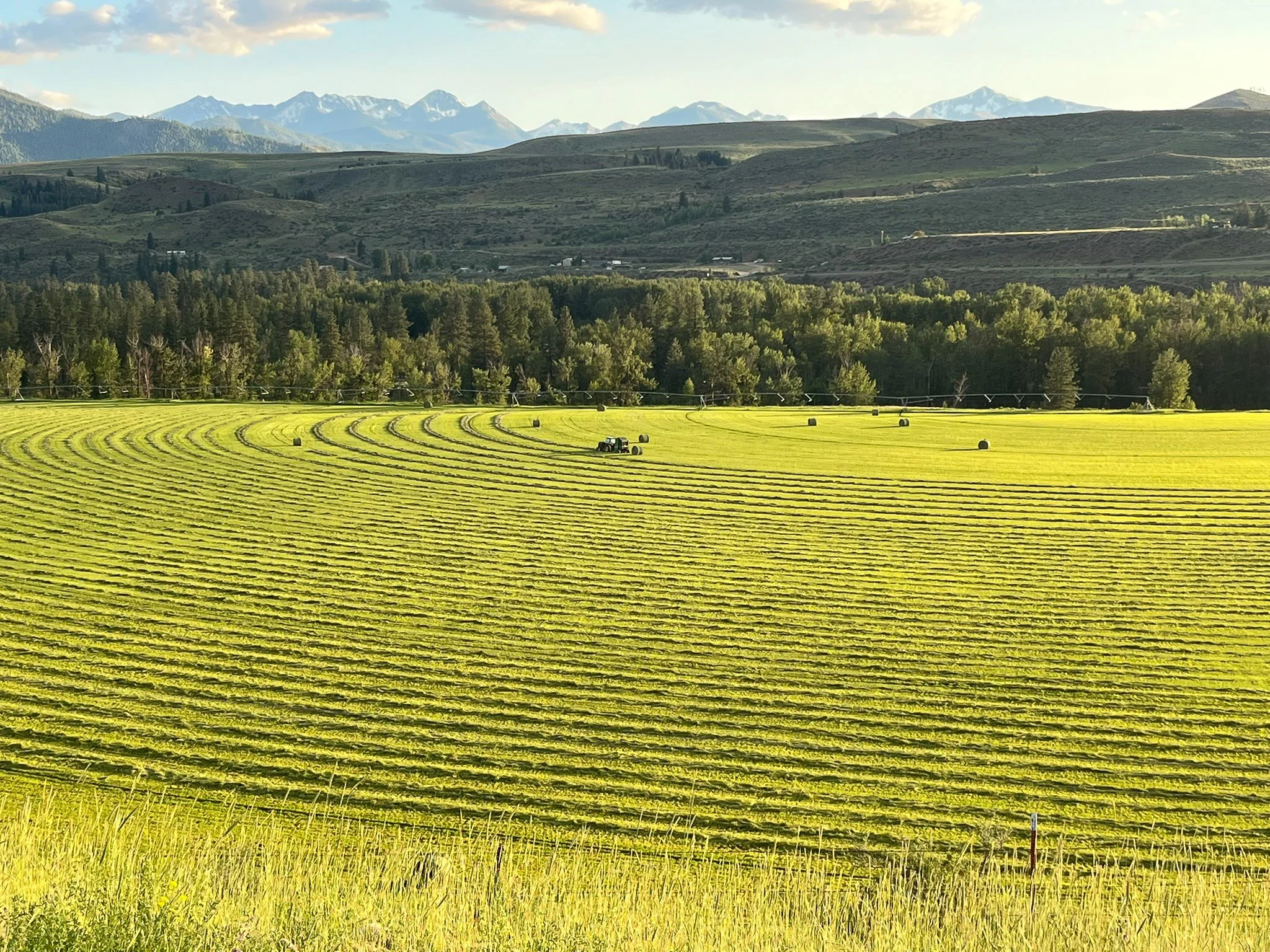
LAND Worth Preserving
Restoring 210 Acres of 1888 Heritage
A Story
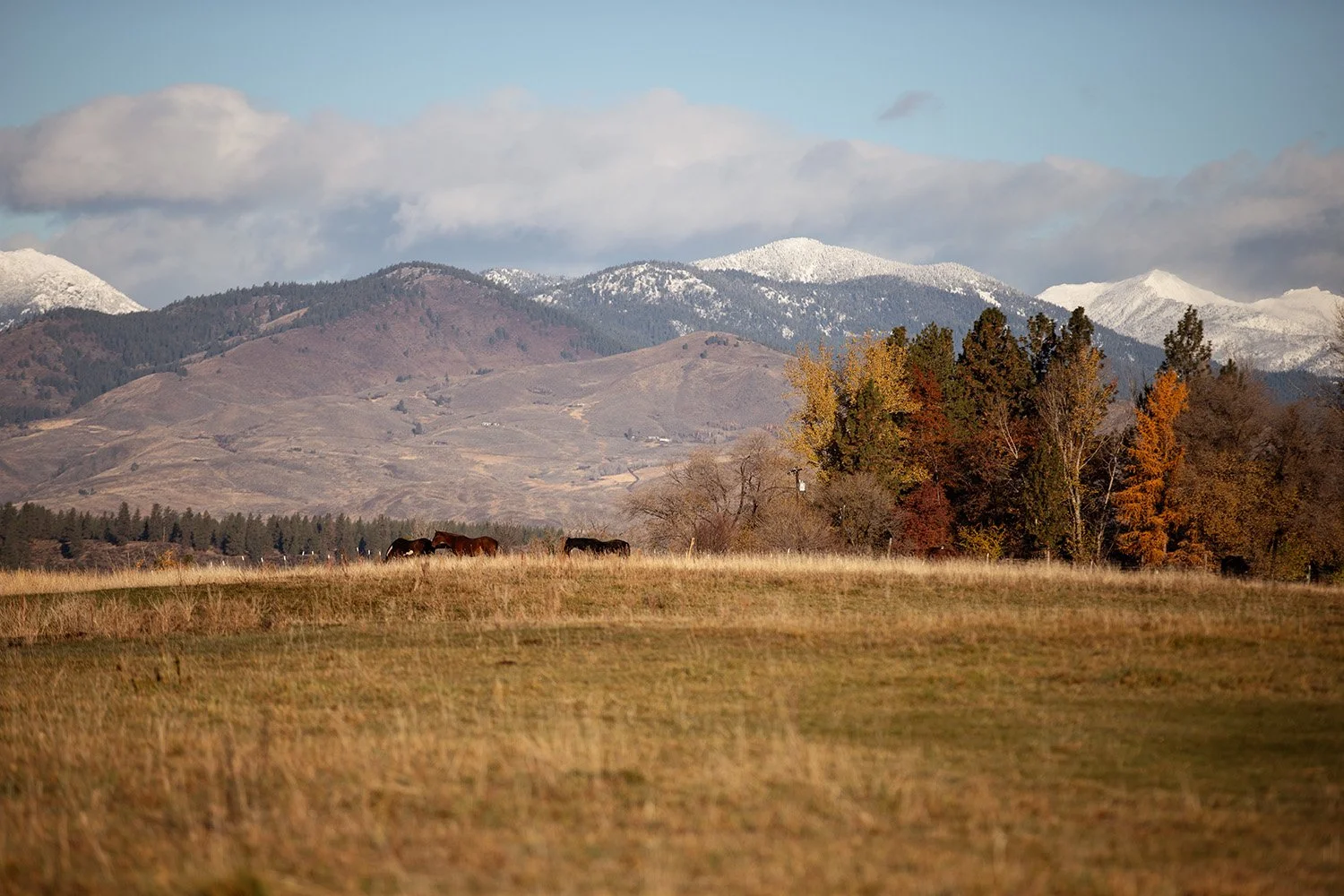
Before it was a ranch, this land was part of the traditional territory of the Methow People, who came to the valley for summer hunting and berry camps. Opened to white settlement in the late nineteenth century, it was homesteaded by Jewett Davis in 1888 after crossing the Chiliwist Trail with the first wagon train into the Methow Valley.
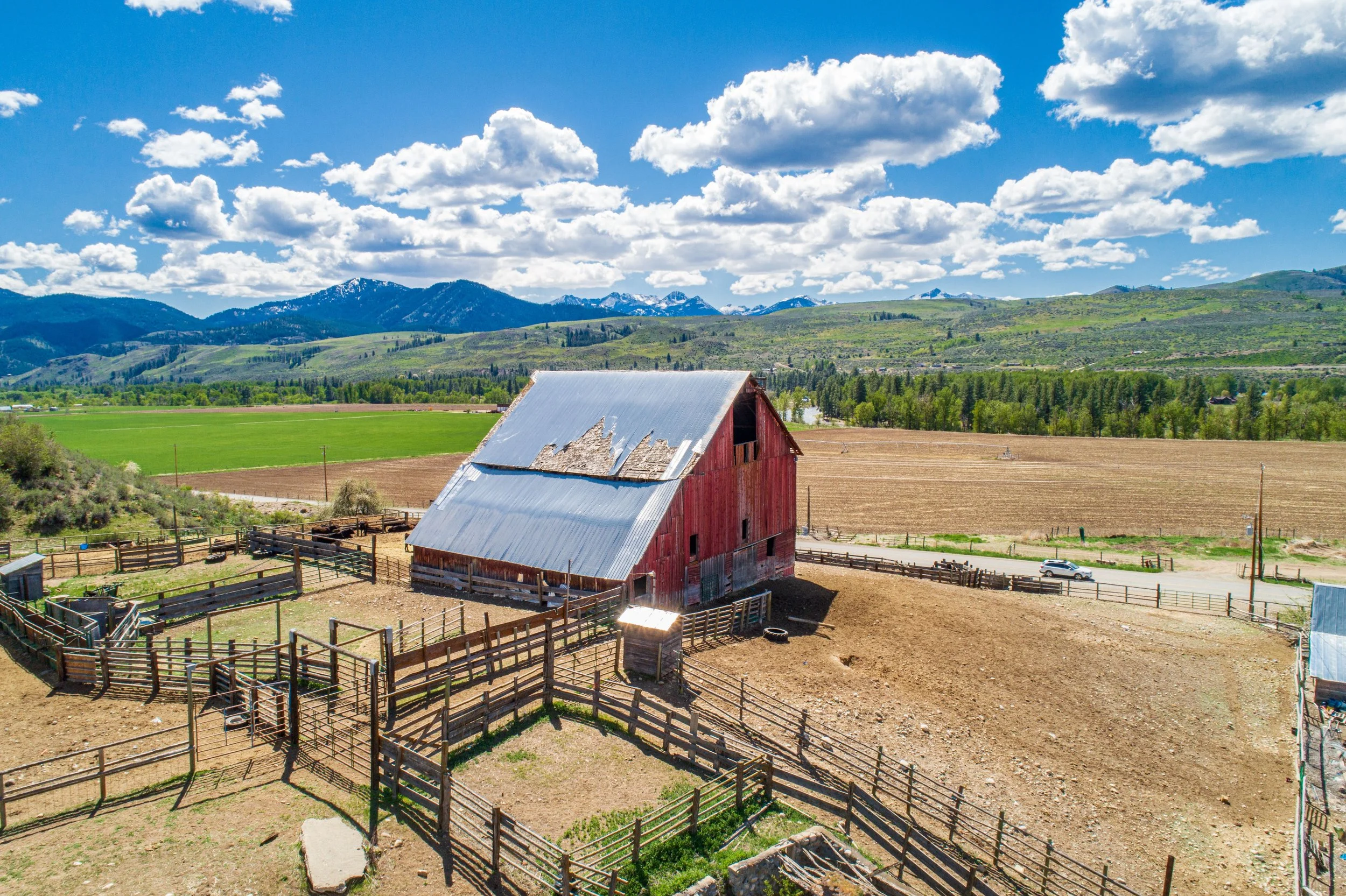
Davis built the original structures of the ranch, including the tall red barn raised around 1900, still visible across the valley today. The land proved productive—supported by fertile soils, reliable water, and a natural spring that flows year-round.
In 1924, Hector LaMotte purchased the ranch and moved his family from Minnesota. Under his care, the land produced hay, wheat, alfalfa, oats, bluegrass pasture, orchard fruit, and dairy livestock. Vernon LaMotte later called these years the golden years, remembering a place shaped by work, neighbors, and seasonal rhythm.
In 1974, Del Prewitt purchased the ranch. Though his career took him elsewhere, his commitment to the Methow never wavered. To protect the land from subdivision, he placed conservation easements on much of the property, ensuring it would remain intact as working agricultural land..
Restoration
The Methow Valley isn't just where we raise horses—it's why they're different. Four seasons of mountain weather—winter snow and cold, spring runoff and mud, summer heat, fall wind—demand constant adaptation from every animal born here.
Our foals navigate steep pastures, cross creeks, move through sagebrush country that builds bone density and sure-footedness. They develop mental toughness that can't be trained—only earned. When a horse is raised in the mountains, every cell knows how to work.
They're resilient. They have speed and the courage to use it.
Continuity
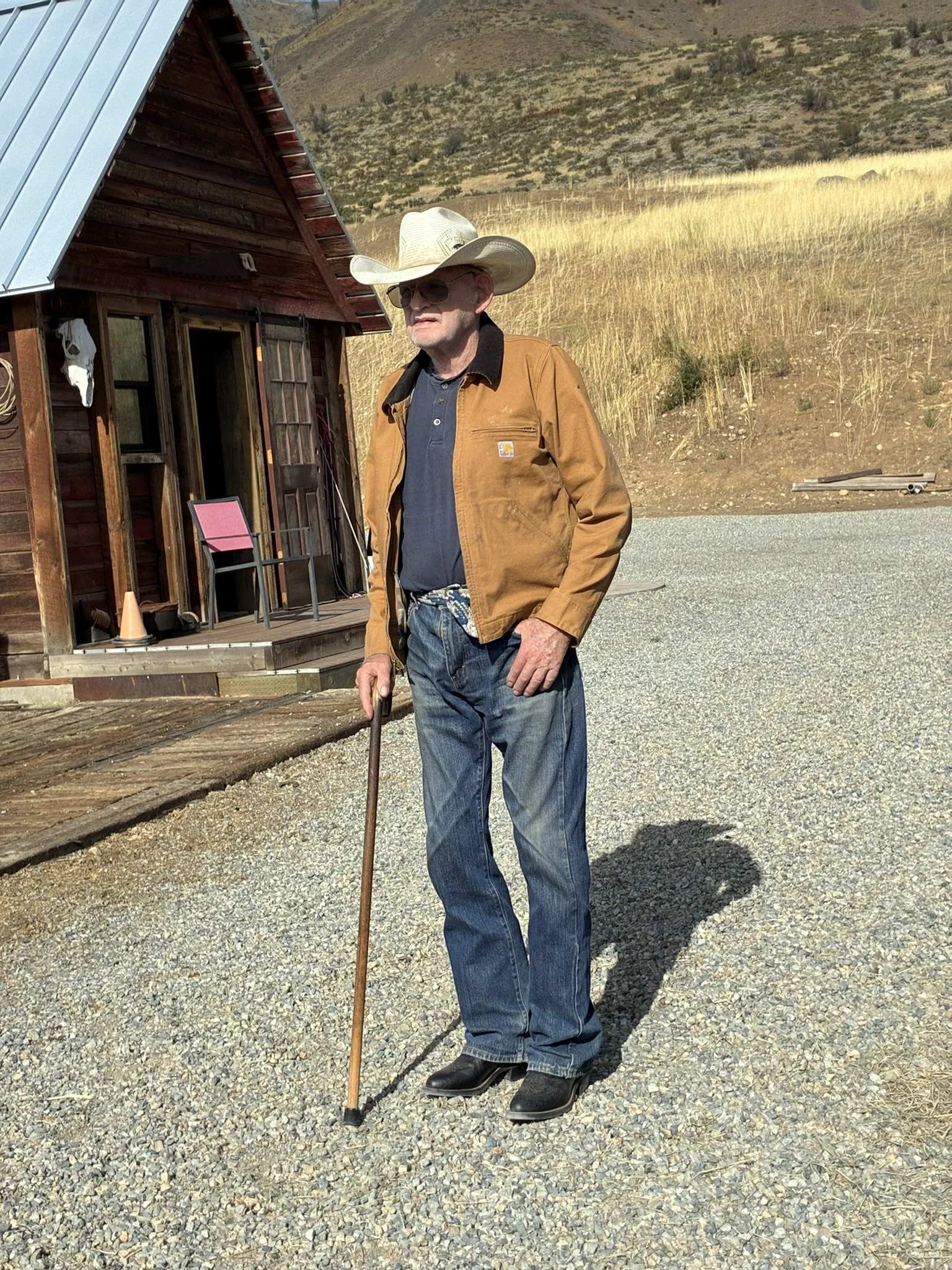
Tucked into the west spring drainage lives Marshall Shaw, Del Prewitt’s first cousin. Born in Methow in 1939, Marshall has lived in the old homestead house near the spring since 1976. When the ranch changed hands, he stayed on—an unspoken understanding that came with the land, the house, and the history they carry.
Marshall retired at seventy-five. He remains a quiet presence on the land, shaped by long familiarity rather than ownership or claim.
The Next Generation
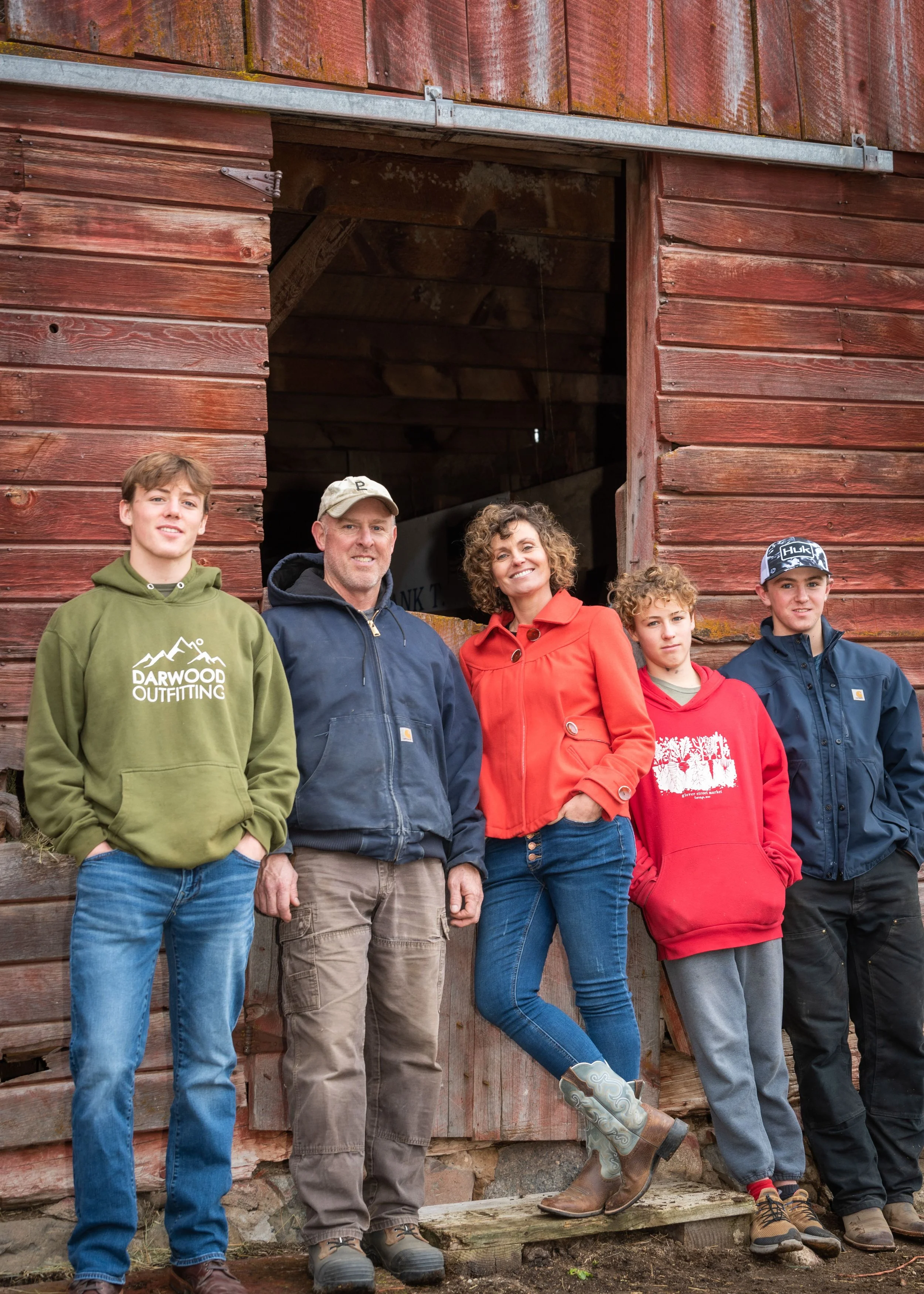
Jeff and Molly’s three sons—Dusty, Grey, and Samuel—were raised on this land and graduated from high school while living at Davis Creek Ranch. They are now in college, carrying forward lessons learned through work, responsibility, and stewardship.
The spring still flows. The fields still produce. The barn still stands.